


Throughout human history, cultures have explored the natural world for substances that could heal, strengthen or sustain the body. From the earliest hunter-gatherers to classical civilisations, natural supplements – plants, minerals and fungi – have played a central role in traditional medicine. While modern nutritional science has refined our understanding of these substances, the cultural heritage and knowledge which underpins them can be traced back – and has been preserved – for thousands of years.
PREHISTORY & EARLY HUMANS
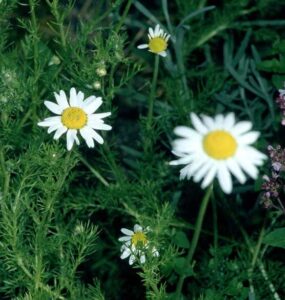
Early humans experimented with their environment – distinguishing edible from poisonous plants and discovering species that provided therapeutic effects. Remains of Neanderthals have been found with medicinal herbs such as yarrow and camomile, suggesting the knowledge of beneficial plants pre-dates Homo Sapiens. Early humans may have consumed bitter roots for digestive issues, chewed bark for pain relief or used clays to neutralise toxins – rudimentary but foundational forms of natural supplement. By the time agriculture emerged around 10,000 BCE, humans had established complex relationships with supplements – embedding them in early medicine and spirituality.
THE ANCIENTS: MESOPOTAMIA & EGYPT
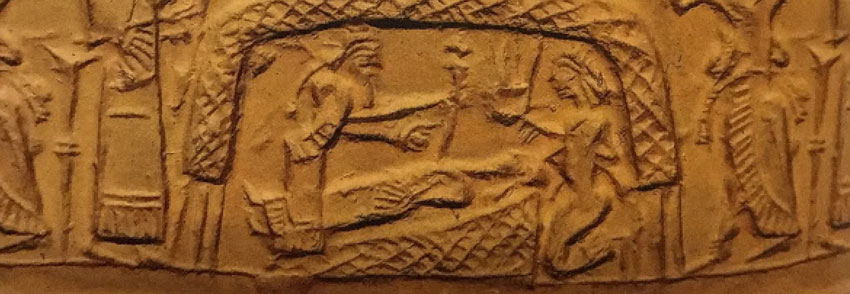
The civilisations of Mesopotamia and Egypt were the first to record their use of natural supplements. In Mesopotamia, tablets from around 3,000 BCE detail the use of plants such as garlic, myrrh, cedar oil and opium poppy. These served multiple purposes: garlic for immunity and stamina, cedar oil as an antimicrobial and myrrh for wound care and embalming. The Code of Hammurabi refers to physicians and herbalists, indicating a formal system of medicinal knowledge.
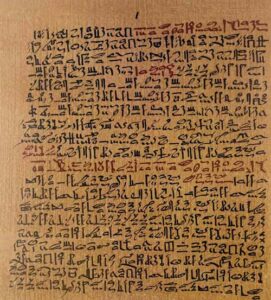
Egypt developed an even more sophisticated herbal tradition. The Ebers Papyrus (c.1550 BCE pictured) lists over 700 natural remedies – including aloe vera for skin conditions, honey as a wound-healing agent and preservative, flaxseed for digestive health and black cumin seed – a supplement still used today for its purported immune-boosting properties. Egyptian priests and physicians carefully documented these substances, ensuring their transmission through subsequent generations of healers.
Over coming centuries, traders spread Egyptian botanical knowledge across the Mediterranean – beginning the use of natural supplements worldwide.
INDIA: DEVELOPING AYURVEDA
One of the most enduring and sophisticated medicinal traditions is Ayurveda, originating in India over 3,500 years ago. Ayurvedic texts such as the Charaka Samhita describe hundreds of plant-based supplements and mineral preparations used to balance the body’s doshas – Vata, Pitta, and Kapha.

Ashwagandha (Withania somnifera) is one of the most prominent supplements in Ayurveda – used for stress reduction, vitality and rejuvenation. Turmeric (Curcuma longa) is another key substance, valued for its anti-inflammatory properties. Triphala, a blend of three fruits, functions as a digestive tonic, while Tulsi (holy basil) is used for respiratory and immune support.
What set Ayurveda apart from many other traditions was its systematic approach. Scholars and healers meticulously documented not only the effects of supplements but also preparation methods, dosages and contraindications. This detailed collection of texts ensured that Ayurvedic knowledge survived invasions, cultural shifts and colonialism and remains highly influential in modern herbal supplementation.
TRADITIONAL CHINESE MEDICINE
Traditional Chinese Medicine (TCM), with origins around 2,500 BCE, built an elaborate system centred on the concept of balancing yin and yang and regulating the body’s qi. The foundational text, the Shennong Bencao Jing, catalogued 365 medicinal substances including herbs and minerals which are still used today as supplements. Among these supplements, reishi mushroom (lingzhi), considered a “mushroom of immortality,” is used for its immune-supportive effects. Astragalus is believed to promote vitality and modulate immune function, while goji berries are thought to nourish the liver and kidneys.
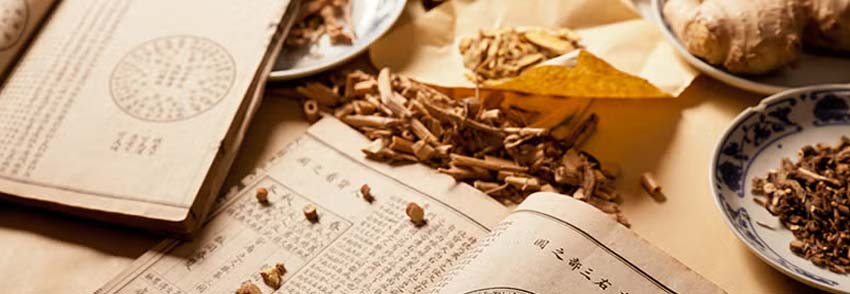
TCM’s influence spread throughout East Asia, particularly to Korea and Japan, where local adaptations emerged, such as Kampo medicine in Japan. TCM practitioners preserved knowledge through apprenticeship, written records and state-supported scholarship – creating an unbroken chain of supplementation knowledge stretching back thousands of years.
ANCIENT GREECE & ROME: NEW FOUNDATIONS
The Mediterranean world produced some of the most influential figures in the history of natural supplements, whose work formed the basis of Western herbal medicine.

Born in Greece, Hippocrates (c. 460–370 BCE), considered the father of Western medicine, promoted the idea that food itself is medicine. Hippocrates helped establish the idea that plants and natural substances could be used systematically to support health – laying foundations for herbal medicine traditions.
His emphasis on observing symptoms and matching them with specific botanical remedies influences how many modern herbal supplements are formulated today.
Greek physicians used garlic, olive oil, oregano, mint and mustard seed for a range of ailments. They also adopted knowledge from Egypt and Persia, incorporating myrrh, frankincense and aloes into their pharmacopeia.
The Roman Empire refined herbal practices. Dioscorides (c. 40-90 BCE) a Greek physician in the Roman army, wrote De Materia Medica – a work describing over 600 supplements, including herbs, roots and resins. His classifications remained the authoritative reference for herbal medicine in Europe for over 1,500 years. Roman soldiers were routinely given natural supplements such as garlic for stamina and infection prevention, vinegar tonics for hydration and digestion, and honey-based preparations for wound healing.
Through trade networks and conquest, the Romans spread botanical knowledge across Europe, North Africa and parts of Asia, influencing the herbal traditions that followed.
Indigenous People: Local Knowledge, Universal Principles
Indigenous cultures worldwide developed rich supplementation traditions deeply tied to their environments.

In North America, Native American tribes used hundreds of plants for health and ritual purposes. Echinacea was used for infections and wounds, while willow bark served as a pain reliever due to its salicin content (salicin is the precursor to aspirin). Sage had both purification and respiratory uses and cranberry was valued for its role in supporting urinary health. This knowledge was most often preserved orally, through medicine people or shamans.

Across the Amazon and South America, indigenous groups developed deep botanical expertise. Guaraná was used for energy and alertness, cat’s claw for inflammation and maca root in the Andes for fertility, endurance and hormonal balance. Cocoa, in its early forms, was consumed for energy and cardiovascular support. These traditions were passed through tribal lineages and encoded in stories and ceremonies.

African traditional medicine also developed a long-standing supplement culture. Herbal supplements such as baobab fruit, hibiscus, kinkeliba and devil’s claw were used for nutrition, hydration, digestion and pain relief. African healers – including sangomas, herbalists and midwives – passed on their knowledge through apprenticeship and communal memory.
Medieval and Early European Monasteries & Traditions
After the fall of Rome, much herbal knowledge was preserved in Christian monasteries. Monks cultivated gardens with numerous plants used for healing – including chamomile, used for digestive issues and calming effects; lavender, applied for relaxation and skin problems; fennel, known for its digestive benefits; St John’s Wort, traditionally used for mood disturbances; and valerian, widely taken to promote sleep.
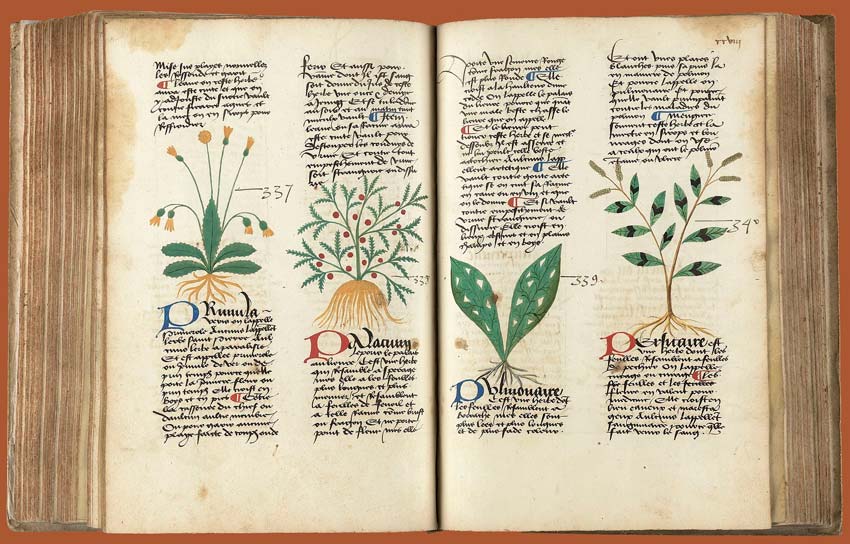
The rise of illustrated botanical books further preserved and expanded knowledge. Influential texts combined empirical observation with folk wisdom and astrology, ensuring access to supplement knowledge even among the general population.
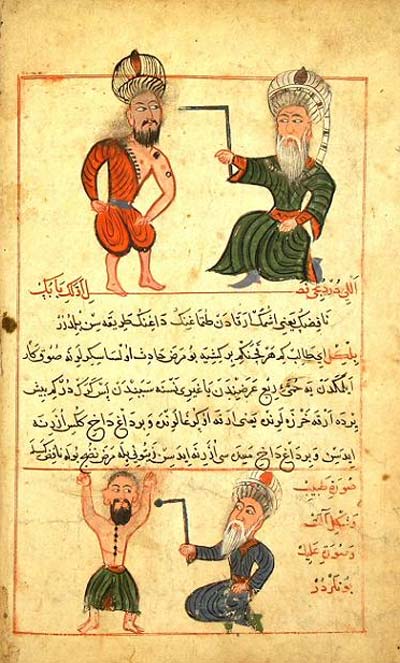
The Islamic Golden Age
Between the 8th and 13th centuries, scholars in the Islamic world translated, preserved and expanded Greek, Roman, Persian and Indian medicinal knowledge. The physician Ibn Sina (Avicenna) wrote The Canon of Medicine describing hundreds of supplements and their uses. It is a comprehensive encyclopedia that systematised medical knowledge and became a foundational text in both Western medicine.
Black seed (Nigella sativa) featured prominently in Islamic medicine and was considered a remedy for numerous ailments. Saffron was used for mood, digestion and circulation, while senna leaves were prized as a laxative. Ginger was valued for its ability to relieve nausea and inflammation. Pomegranate was used for digestion and cardiovascular health.
The Islamic world’s extensive trade networks enabled global exchange of medicinal plants, spreading cinnamon, ginger, clove and cardamom far beyond their regions of origin.
Knowledge Across Millennia
The history of natural supplements is deeply entwined with the story of human civilisation. From prehistoric experimentation to sophisticated medical traditions in ancient India, China, Egypt and Greece; from indigenous practices across the Americas, Africa and Oceania to the scholarly preservation of knowledge in medieval Europe and the Islamic world, humans have always sought healing and nourishment from nature.
In the modern era, natural supplements continue to resonate because they draw on this immense reservoir of historical wisdom. Natural supplements embody humanity’s enduring relationship with the natural world – and our universal desire for health, balance and longevity.